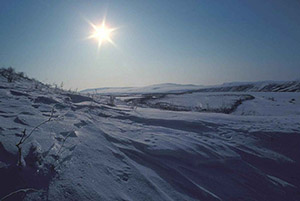

Frostbite: injury to skin caused by contact with extreme cold temperatures. Frostbite occurs when ones skin freezes. Your skin will become very cold and red, then numb, hard and pale. Frostbite will normally affect the nose, fingers, or toes and sometimes can cause infection.
To prevent or reduce your risk of frostbite, dress properly in cold temperatures. This includes:
- Protecting your hands, feet, nose, and ears.
- Bundle in warm, layered, and loose-fitting clothes, a hat and scarf or ski mask, warm socks, and mittens (not gloves), and make sure children are properly bundled.
- Go indoors periodically to warm up.
- Wet clothing or damp skin can increase the risk of frostbite.

Windburn: Windburn is especially common in people living in Canada due to its extreme climates. Windburn is also common in people who spend a lot of time in the winter outside or who participate in many winter activities such as skating or skiing. A windburn may feel like sunburn, and because sunburns are still possible in the winter, the two irritations may happen at the same time.
Before heading out in the cold, do these things to prevent windburn.
- Keep your skin covered. Wear mittens, a scarf or neck warmer, a hat or headband, and, a face mask for your nose, cheeks, and forehead.
- When you're going to be out for a long time, apply moisturizing sunscreen. This will protect your skin from both sun- and windburn.
- Apply Chap Stick to your lips using an SPF lip moisturizer.
- Apply sunscreen to your skin and lips every two hours.
- Check the weather report, and know the wind-chill factor before heading out. If the weather is extremely cold, then plan to stay out for a short period of time.
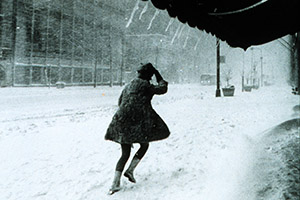
Sun Safety: Although many people associate winter with frostbite and windburn, it is easy to forget about sun safety in the winter time. People who spend a lot of time outside in the winter are at an increased risk for too much the sun.
Both snow and strong wind can wear away sunscreen and reduce its effectiveness, so you have to take extra precautions. In order to protect your skin from the climate of winter it is important to:
- Use a sunscreen with an SPF (Sun Protection Factor) of 30 or higher whenever you spend long periods of time outdoors. Apply 30 minutes before sun exposure
- Apply sunscreen liberally and evenly to all exposed skin.
- Be sure to cover often-missed spots: the lips, ears, around the eyes, and on the neck, the underside of chin, scalp and hands.
- Reapply every two hours, and immediately after heavy sweating.
- Wear a lip balm with an SPF 15 or higher
- Wear sunglasses. The sun's glare can make you squint, causing snow blindness